Recycling in Logistics: How to Use Packaging and Transport Equipment More Efficiently

Recycling in Logistics: How to Use Packaging and Transport Equipment More Efficiently
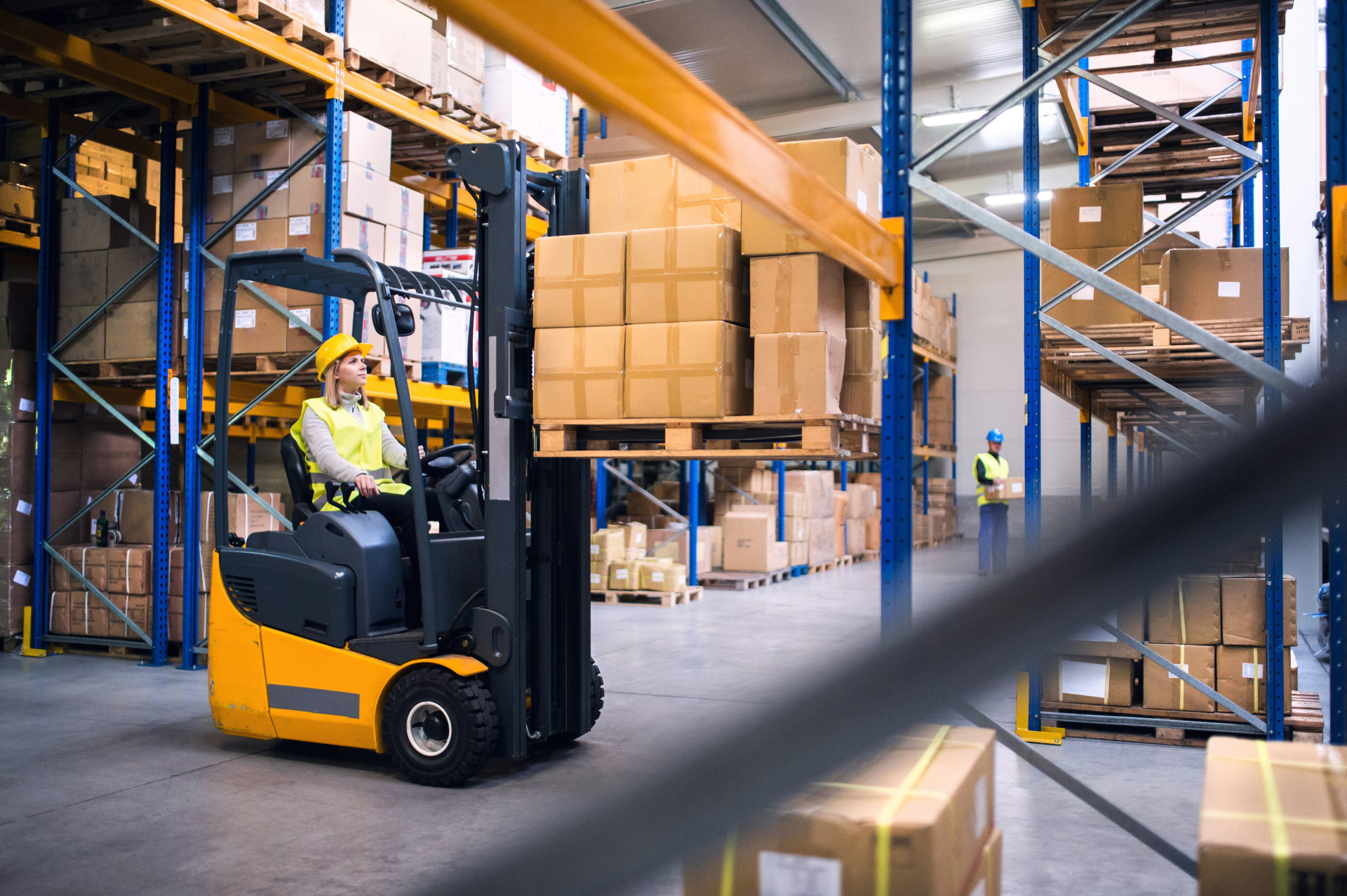
Recycling and circular economy principles are no longer limited to households. In the logistics industry, they have become key drivers of both environmental responsibility and cost efficiency. By reusing packaging, pallets, containers, and transport equipment, companies can reduce waste, save resources, and build a more sustainable supply chain. Here’s a guide to how U.S. logistics operations can make packaging and transport equipment work harder and smarter.
Think Circular from the Start
Efficient recycling begins at the design stage. When selecting packaging and equipment, consider how they can be reused multiple times—and how they can be returned, repaired, or recycled at the end of their life cycle.
- Choose durable materials such as reusable plastic totes, metal pallets, or reinforced wooden crates instead of single-use packaging.
- Standardize sizes and formats so that packaging fits a variety of products and transport modes.
- Plan the return flow—determine how packaging will be sent back, who manages it, and how it will be cleaned or refurbished.
By designing with circularity in mind, you can avoid many of the challenges that arise when reuse is introduced later in the process.
Build a Reuse System
Recycling and reuse require structure. Without a clear system, packaging can get lost, damaged, or discarded. A well-functioning system includes both operational and administrative elements.
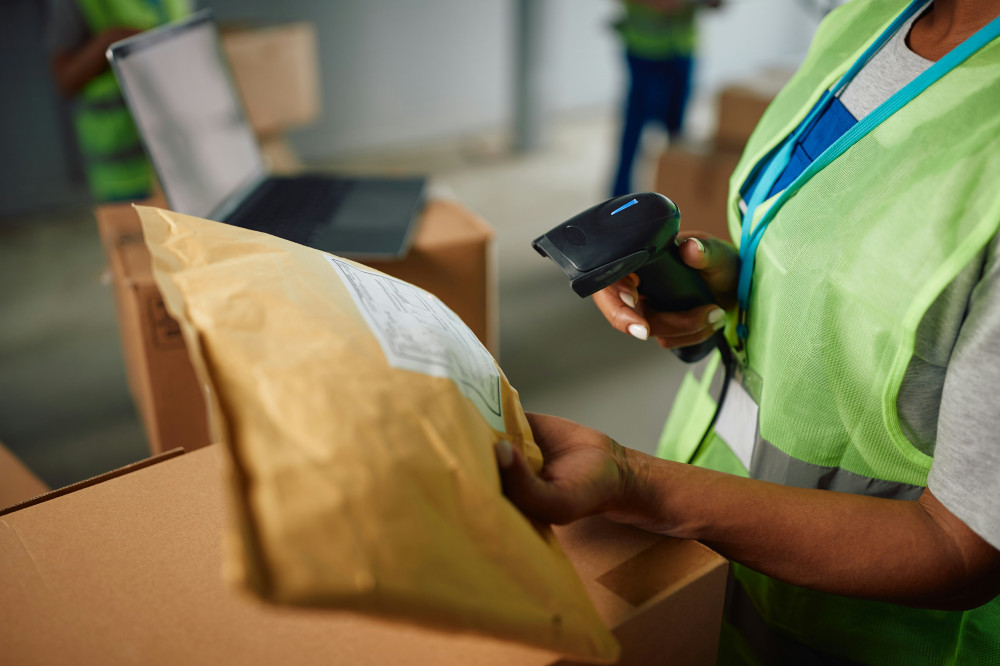
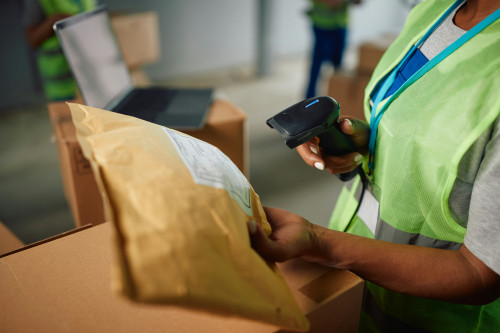
- Track packaging using barcodes, RFID tags, or QR codes to monitor location and usage.
- Establish clear procedures for returning, cleaning, and inspecting packaging.
- Set agreements with customers and suppliers so everyone understands how the reuse system works.
A reliable return system can quickly pay off through lower purchasing costs and reduced waste.
Læs også:
Maintain and Ensure Quality
Reusable packaging must withstand many cycles, but that requires ongoing maintenance. Small issues can escalate if not addressed promptly.
- Conduct regular inspections to check for wear, cracks, or missing parts.
- Repair instead of discard whenever possible—it’s often cheaper and more sustainable.
- Clean regularly, especially when packaging is used for food, pharmaceuticals, or other sensitive goods.
Prioritizing maintenance extends the lifespan of your equipment and ensures that reuse doesn’t compromise quality or safety.
Collaborate Across the Supply Chain
Recycling in logistics works best when multiple stakeholders collaborate—suppliers, carriers, customers, and recycling partners. The more coordinated the effort, the greater the benefits.
- Share data and insights about packaging flows and return processes.
- Consider shared pool systems, where multiple companies use standardized reusable packaging.
- Partner with logistics providers that offer reverse logistics or reusable packaging programs.
Collaboration can reduce transport distances, optimize equipment utilization, and create a more efficient circular logistics network.
Measure the Impact—and Communicate It
To get the full value from recycling initiatives, you need to measure and communicate results. This helps refine your approach and demonstrate value to customers, employees, and stakeholders.
- Track savings in waste reduction, lower CO₂ emissions, and decreased purchasing costs.
- Use data to optimize—perhaps packaging can be reused more times, or return routes can be streamlined.
- Share success stories internally and externally to strengthen your sustainability profile and motivate continued improvement.
When you can show measurable results, recycling becomes not just an environmental effort but a strategic advantage.
Investing in the Future of Logistics
Reusing packaging and transport equipment requires planning, collaboration, and persistence. But the rewards are clear: lower costs, reduced environmental impact, and a more resilient supply chain.
By embracing circular thinking and using resources more efficiently, logistics can become a driving force for sustainable development—not just a link in the chain, but an active part of the solution.
Læs også: