Green Logistics: How to Choose Eco-Friendly Storage and Transportation Solutions for Your Warehouse

Green Logistics: How to Choose Eco-Friendly Storage and Transportation Solutions for Your Warehouse
Green logistics isn’t just about cutting carbon emissions—it’s about building smarter, more efficient, and future-ready warehouse operations. As U.S. businesses face growing expectations from customers, partners, and regulators to reduce their environmental footprint, sustainability has become a key factor in logistics strategy. Here’s a guide to help you choose eco-friendly storage and transportation solutions that benefit both the planet and your bottom line.
Start by Mapping Your Warehouse Operations
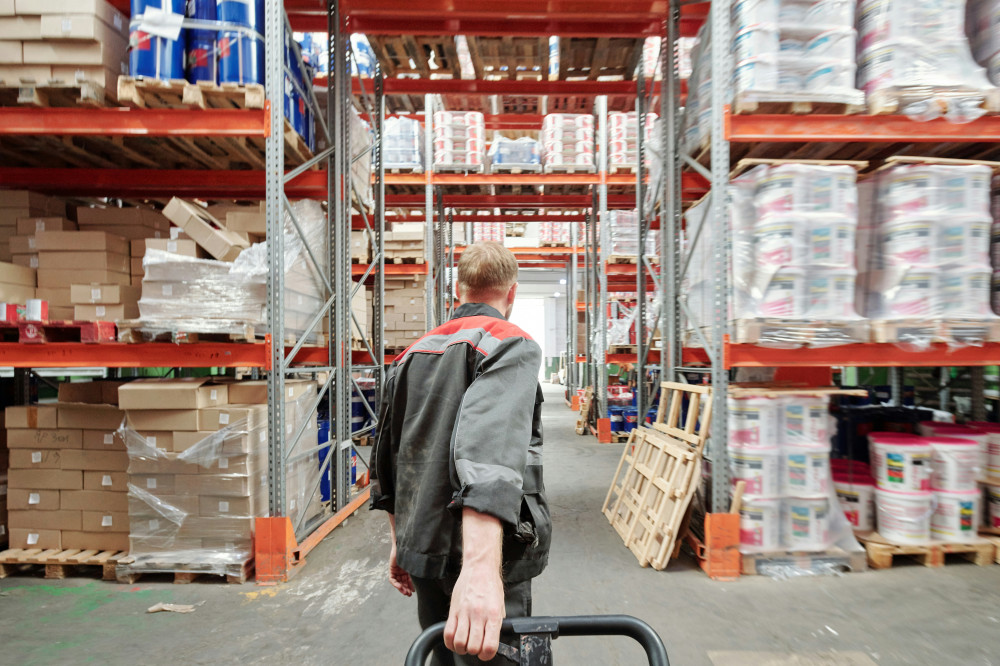
Before you can make your logistics greener, you need to understand where your biggest environmental impacts occur. These might include energy use in your facility, packaging waste, transportation emissions, or inefficiencies in material handling.
Conduct a full assessment of your warehouse flow—from receiving goods to shipping them out. This overview will help you identify where improvements can make the greatest difference. Often, small operational changes or equipment upgrades can lead to significant environmental and cost savings.
Energy-Efficient Storage
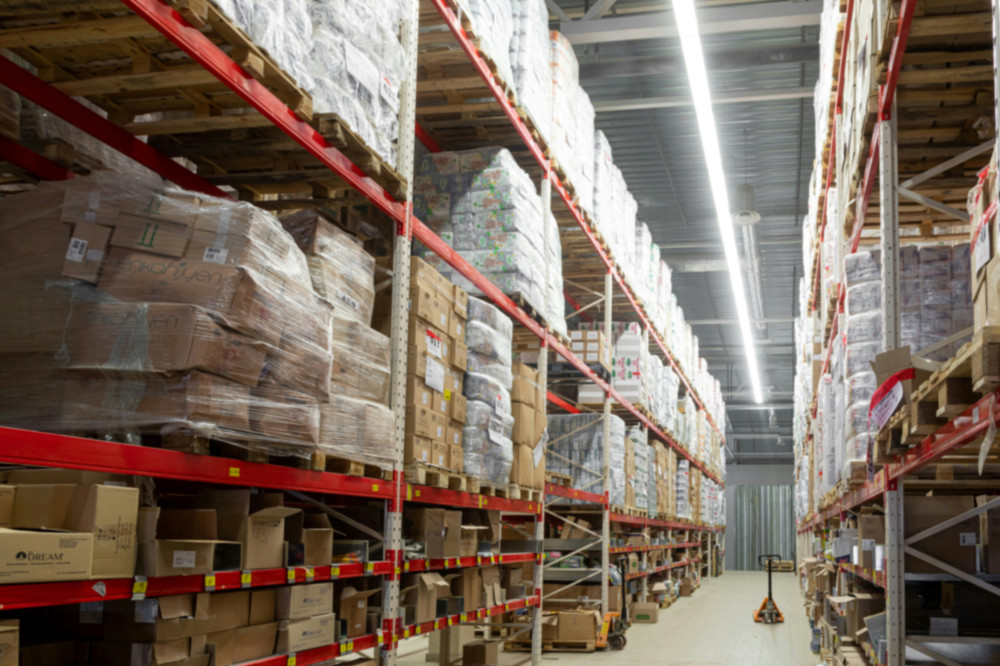
Warehouses consume large amounts of energy for lighting, heating, cooling, and equipment. Reducing that consumption is one of the most effective ways to lower your carbon footprint. Consider these steps:
- LED lighting with motion sensors – Cuts electricity use and ensures lights are only on when needed.
- Improved insulation and climate control – Keeps temperatures stable and reduces heating and cooling demands.
- Solar panels – Many U.S. warehouses have expansive rooftops ideal for solar installations, which can offset grid energy use.
- Energy management systems – Monitor and optimize energy consumption to uncover hidden savings.
These investments often pay for themselves through lower utility bills and enhanced sustainability credentials.
Sustainable Packaging and Materials
Packaging plays a major role in logistics—and it’s an area where you can reduce waste and costs simultaneously. Try these strategies:
- Use recyclable or biodegradable materials instead of single-use plastics.
- Optimize packaging design to minimize material use and maximize space efficiency in transport.
- Implement returnable packaging systems for pallets, bins, and containers.
- Adopt digital labeling and documentation to cut down on paper waste.
By viewing packaging as part of your overall logistics system, you can reduce environmental impact while improving operational efficiency.
Greener Transportation—from Forklifts to Freight
Transportation often accounts for the largest share of logistics-related emissions. Fortunately, there are multiple ways to make it greener:
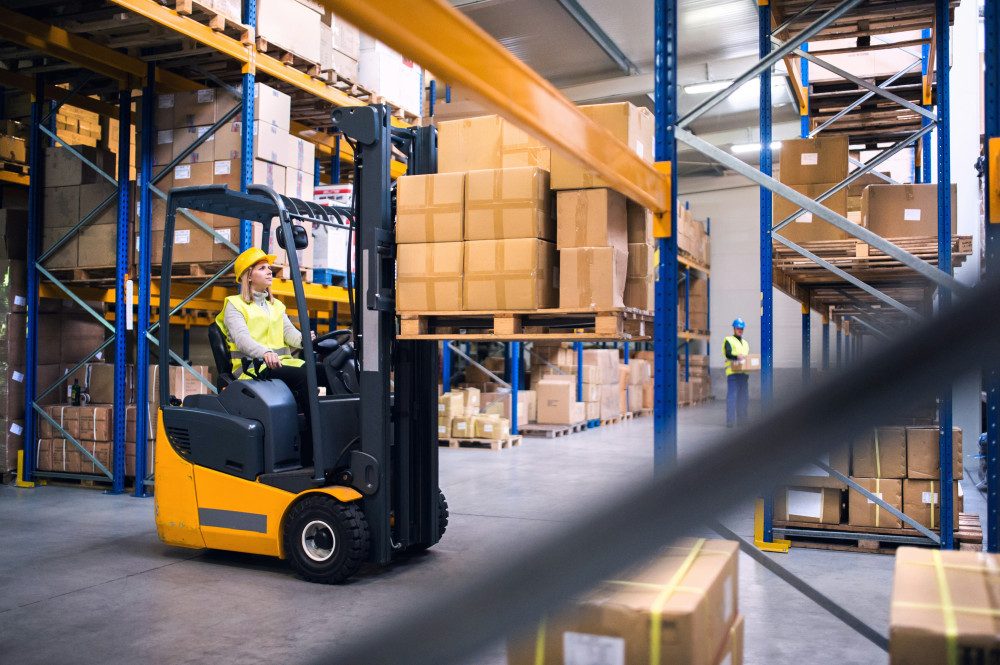
- Switch to electric or hybrid vehicles for local deliveries and internal transport. Electric forklifts and yard trucks are increasingly affordable and reliable.
- Use route optimization software to reduce empty miles and fuel consumption.
- Partner with carriers committed to sustainability, using fleets that meet EPA SmartWay standards or similar certifications.
- Explore intermodal options, combining rail or sea freight with trucking to cut emissions on long-distance routes.
Even modest improvements in route planning or vehicle efficiency can significantly reduce fuel use and emissions.
Digitalization and Data as Drivers of Sustainability
Green logistics also means using data intelligently. Digital tools can help you monitor energy use, track shipments, and optimize inventory to prevent waste.
A modern warehouse management system (WMS) can:
- Minimize unnecessary product movements.
- Forecast demand to avoid overstocking.
- Integrate with transportation management systems for more efficient routing and scheduling.
With accurate data, you can set measurable sustainability goals and demonstrate progress to customers and stakeholders.
Læs også:

Engage Your Workforce
No sustainability initiative succeeds without employee involvement. Make sure everyone in your warehouse understands why green practices matter and how they can contribute.
- Hold short training sessions on energy conservation and waste sorting.
- Encourage staff to share ideas for improving sustainability.
- Celebrate milestones—such as reduced energy use or waste diversion achievements.
When sustainability becomes a shared mission, it fosters motivation, innovation, and better results.
Green Logistics as a Competitive Advantage
Sustainability is no longer just a moral choice—it’s a business advantage. U.S. consumers, investors, and supply chain partners increasingly favor companies that demonstrate environmental responsibility. A greener warehouse can strengthen your brand, attract new clients, and improve long-term profitability.
By combining environmental awareness with operational efficiency, you can build a logistics system that’s sustainable, cost-effective, and ready for the future.
Læs også: