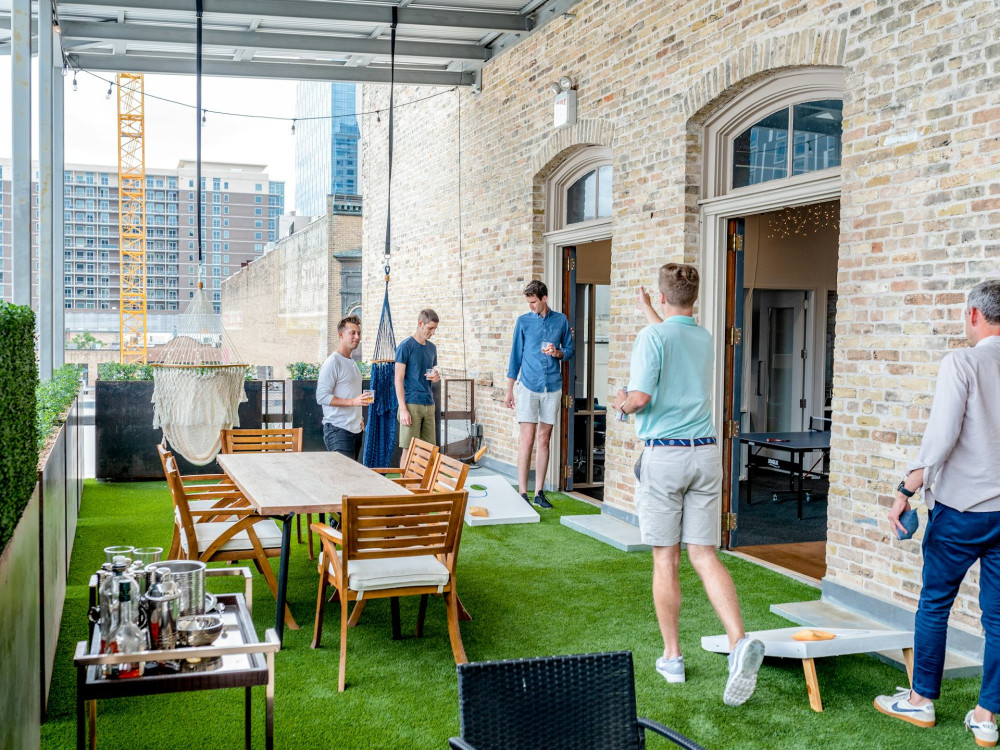
Traditions That Bring Us Together: How Rituals Strengthen Workplace Community

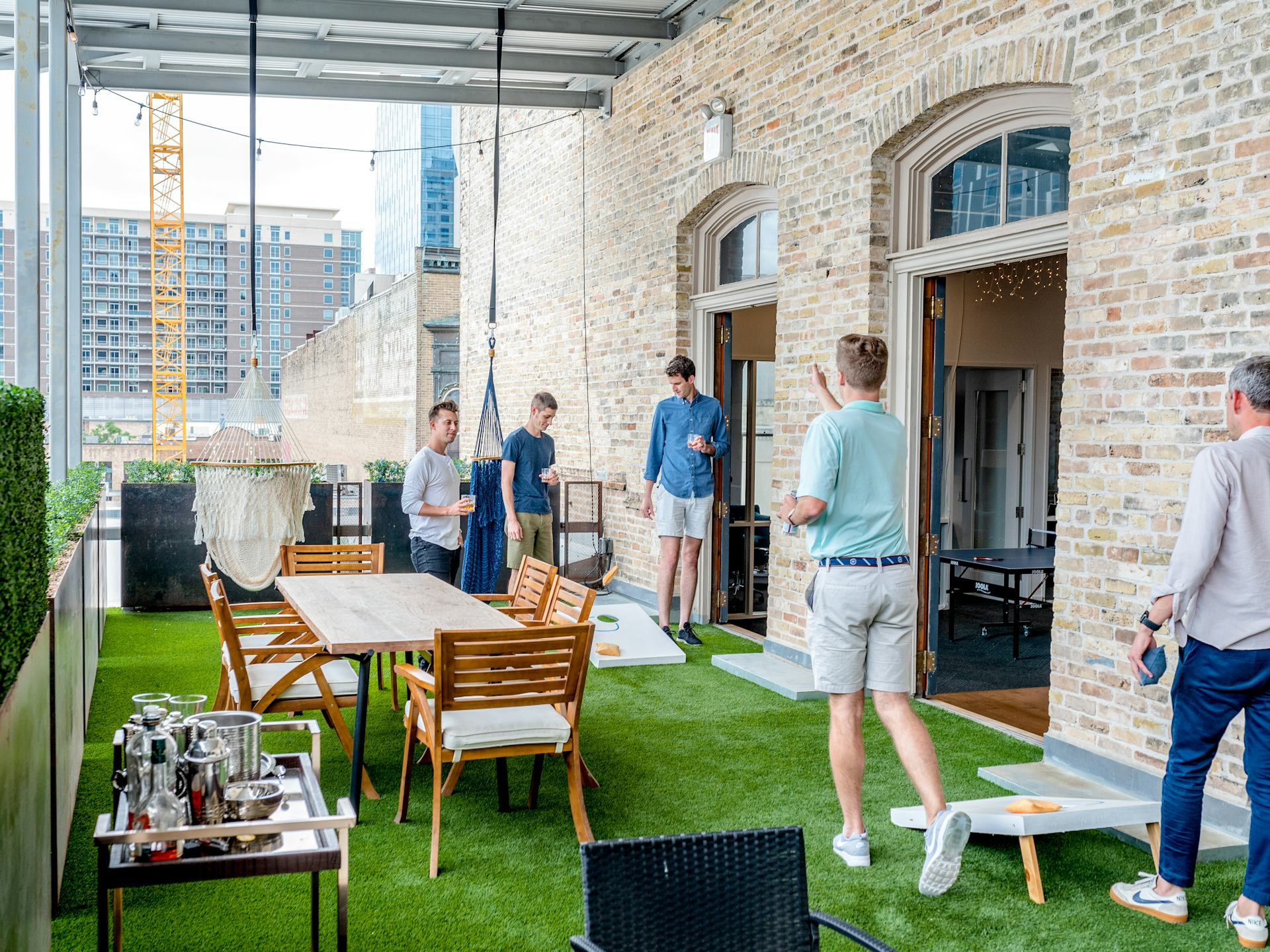
Traditions That Bring Us Together: How Rituals Strengthen Workplace Community
In many American workplaces, it’s the small, recurring rituals that hold teams together. Whether it’s a Monday morning bagel spread, a Friday afternoon “wins of the week” meeting, or an annual volunteer day, traditions create rhythm, familiarity, and a shared sense of purpose. They remind us that work isn’t just about tasks and deadlines—it’s also about belonging. But why do rituals matter, and how can organizations create ones that truly fit their culture?
Why Rituals Matter
Rituals aren’t just for holidays or family gatherings. In the workplace, they act as social glue, helping people feel part of something larger than themselves. When colleagues share repeated experiences, they build trust, identity, and connection.
Research in organizational psychology shows that rituals can boost engagement and morale. They provide stability in times of change and offer moments to celebrate success, mark transitions, and strengthen relationships across teams. In a fast-paced work environment, these moments of predictability and connection can make all the difference.
Everyday Rituals That Make a Difference
Often, it’s the simple, informal traditions that have the biggest impact. A daily coffee check-in, a weekly trivia break, or a monthly birthday celebration can create a sense of community that goes beyond job titles and departments.
- Morning coffee chats – a few minutes to connect before diving into the day’s work.
- Friday wrap-ups – a casual end-of-week ritual where team members share highlights or lessons learned.
- Celebrations – recognizing milestones, project completions, or personal achievements to show appreciation and build pride.
These rituals don’t require big budgets or elaborate planning. What matters is the message they send: that people and relationships are valued.
When Traditions Become Culture
The most meaningful traditions are those that feel authentic and relevant to the people who take part in them. It’s not about copying what another company does—it’s about finding what fits your team’s values and working style.
Some organizations host an annual “innovation day,” where employees pitch new ideas. Others have a “gratitude week,” encouraging colleagues to share notes of appreciation. When rituals grow organically from employee initiatives, they become part of the culture rather than a top-down HR exercise.
Læs også:



New Traditions for a Hybrid World
As remote and hybrid work become more common, maintaining a sense of community requires creativity. Digital rituals can help bridge the distance and keep teams connected.
Some teams hold virtual coffee breaks with no agenda, while others start weekly meetings with a quick personal check-in. These small gestures may seem trivial, but they help maintain human connection and remind everyone that they’re part of a team—even from afar.
The key is to keep rituals voluntary and genuine. They should feel like a welcome pause, not another meeting on the calendar.
How to Create Your Own Workplace Rituals
If you want to strengthen your workplace community through traditions, start by asking three simple questions:
- What already brings us together? Look for informal habits that could evolve into meaningful rituals.
- What do we want to celebrate or mark? This could include new hires, completed projects, or shared successes.
- How can we make it simple and inclusive? The best rituals are easy to maintain and open to everyone.
When rituals become a natural part of daily life, they foster joy, connection, and a sense of shared purpose. They remind us that work is not just about performance—it’s about people.
The Quiet Power of Community
Workplace traditions aren’t just nice-to-have moments. They reflect how we see one another and what we value as a team. Through repeated, shared experiences, we build trust, empathy, and belonging—qualities that strengthen collaboration and well-being.
A strong workplace culture isn’t built overnight or through grand gestures. It grows through small, consistent actions that bring people together. In those moments of shared connection, community comes to life.
Læs også: