Ergonomics Against Stress: Creating Balance Between Body and Work Life

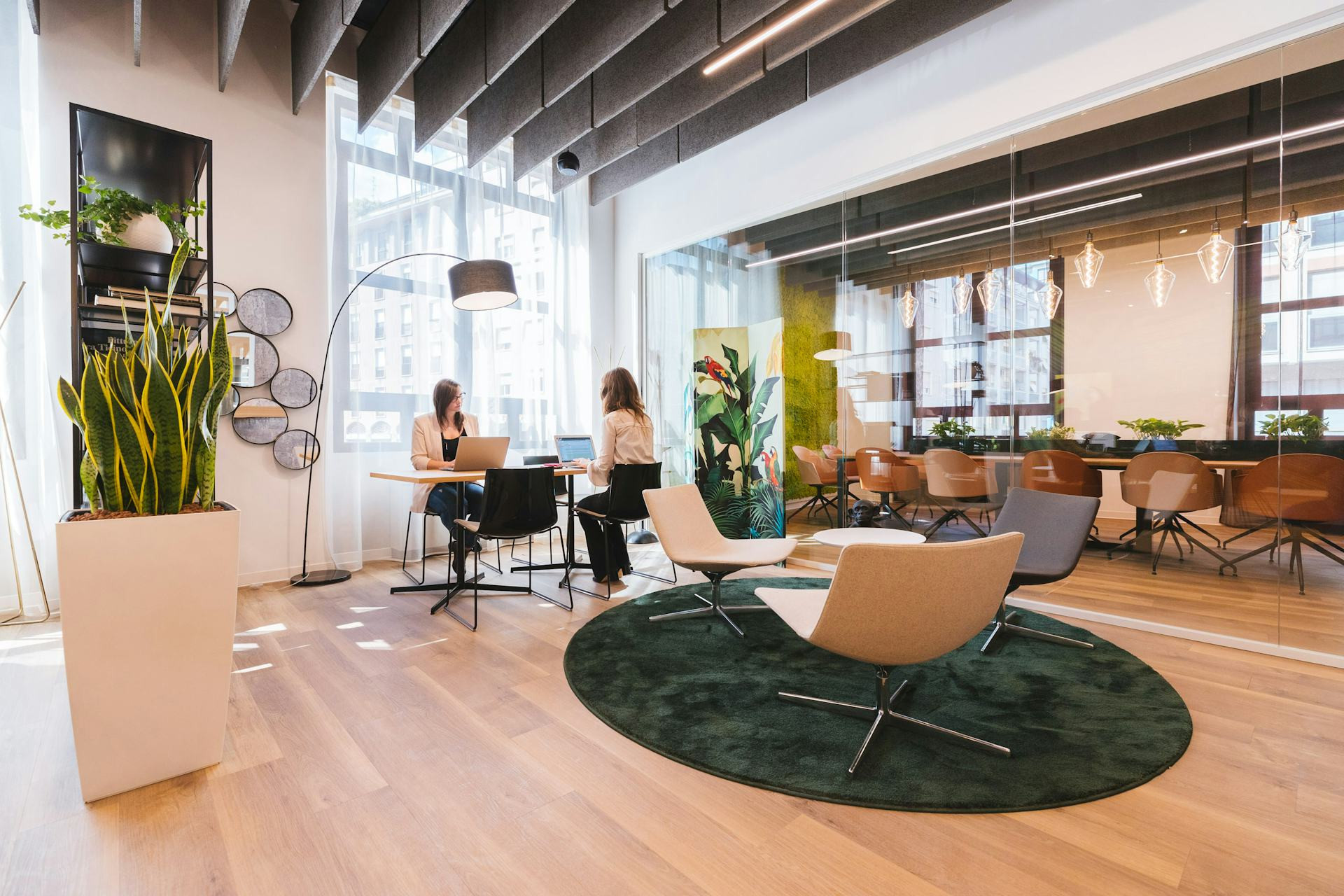
Discover how smart ergonomic choices can ease stress and boost your well-being at work
Office
Office
5 min
Learn how to create a workspace that supports both your body and mind. This article explores how ergonomics can help reduce stress, prevent fatigue, and bring balance to your daily work life—whether you’re at the office or working from home.
Julia Rogers
Julia
Rogers

Ergonomics Against Stress: Creating Balance Between Body and Work Life

Discover how smart ergonomic choices can ease stress and boost your well-being at work
Office
Office
5 min
Learn how to create a workspace that supports both your body and mind. This article explores how ergonomics can help reduce stress, prevent fatigue, and bring balance to your daily work life—whether you’re at the office or working from home.
Julia Rogers
Julia
Rogers

In a world where many Americans spend most of their day in front of a computer, stress doesn’t just come from tight deadlines or back-to-back meetings—it can also come from the way we sit, move, and interact with our workspace. Poor ergonomics can lead to tension, headaches, and fatigue, which over time affect both body and mind. But with a few mindful adjustments, you can create a workspace that supports your physical comfort and mental well-being. Here’s how ergonomics can become a powerful tool in reducing stress and restoring balance in your daily life.

The Body as a Stress Barometer

When we sit too long, hunch our shoulders, or forget to move, our bodies send signals—stiffness, soreness, or fatigue—that something is off balance. Ignoring these signs can lead to chronic pain and higher stress levels.

Ergonomics isn’t just about having the right chair or desk; it’s about creating an environment that allows your body to move naturally and comfortably. When your body feels supported, your mind can focus and relax more easily.

Designing a Thoughtful Workspace

A healthy work environment starts with the physical setup. Small changes can make a big difference:

  • Chair and desk height – Your feet should rest flat on the floor, and your elbows should form roughly a 90-degree angle when typing.
  • Monitor placement – The top of your screen should be at eye level to prevent neck strain.
  • Lighting and air quality – Natural light and good ventilation reduce fatigue and improve concentration.
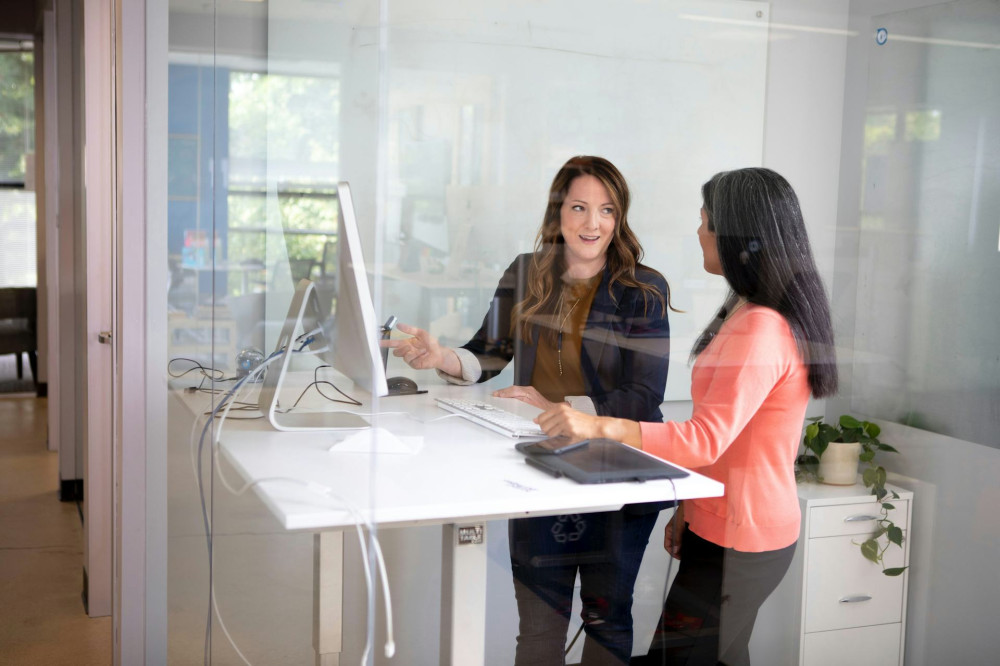
  • Movement throughout the day – If you have a sit-stand desk, use it actively. Alternate between sitting and standing to keep your body engaged.

The goal isn’t to find one perfect posture—it’s to keep your body in motion and avoid staying in one position for too long.

Microbreaks: Small Pauses, Big Impact

One of the most overlooked aspects of productivity is rest. Many people believe that working nonstop equals efficiency, but both the brain and body need short breaks to perform at their best.

Try incorporating microbreaks—one- to two-minute pauses every half hour to stand, stretch, or walk a few steps. These brief moments improve circulation, ease muscle tension, and give your mind a chance to reset. Over time, they can significantly reduce both physical discomfort and mental stress.

Ergonomics as Mental Support

Ergonomics also extends to your mental workspace. A cluttered desk, harsh lighting, or constant noise can create sensory overload and increase stress. By organizing your surroundings and minimizing distractions, you help your brain stay calm and focused.

Consider adding elements that make your workspace feel inviting—plants, soft colors, or personal touches. These small details can have a surprisingly soothing effect and make your workday more enjoyable.

Movement: The Antidote to Sedentary Stress

Even the most ergonomic chair can’t replace movement. Regular physical activity—even in short bursts—is one of the most effective ways to prevent stress and muscle tension. It doesn’t have to mean an hour at the gym every day; a short walk during lunch or a few stretches at your desk can make a noticeable difference.

Many U.S. companies now offer wellness programs, ergonomic training, or group stretch breaks. These initiatives not only improve physical health but also foster a sense of community and shared well-being.

Finding Balance Beyond the Office

Ergonomics doesn’t end when you log off. How you rest and recover plays a major role in how your body handles the demands of work. Prioritize good sleep, stay active outside of work, and set boundaries that allow you to mentally disconnect from your job.

Creating balance between body and work life starts with listening to yourself. When you take care of your physical comfort, you strengthen your mental resilience. Ergonomics isn’t just about comfort—it’s an investment in your long-term health and happiness.

Everyday Recognition: The Key to a Healthy Work Environment
How everyday appreciation strengthens teamwork, motivation, and well-being
Office
Office
Workplace Culture
Employee Engagement
Leadership
Well-Being
Motivation
5 min
Recognition is more than a kind word—it’s the foundation of a thriving workplace. Discover how small, genuine gestures of appreciation can boost morale, build trust, and create a healthier, more engaged work environment for everyone.
Jackson Hernández
Jackson
Hernández
Ergonomics Against Stress: Creating Balance Between Body and Work Life
Discover how smart ergonomic choices can ease stress and boost your well-being at work
Office
Office
Ergonomics
Workplace Wellness
Stress Management
Productivity
Health
5 min
Learn how to create a workspace that supports both your body and mind. This article explores how ergonomics can help reduce stress, prevent fatigue, and bring balance to your daily work life—whether you’re at the office or working from home.
Julia Rogers
Julia
Rogers
Find Your Rhythm: How to Create a Workday That Balances Productivity and Joy
Discover how to design a workday that fuels both your focus and your happiness
Office
Office
Productivity
Work-Life Balance
Well-Being
Mindfulness
Personal Development
2 min
Learn how to create a daily rhythm that supports productivity without sacrificing joy. From understanding your energy patterns to building meaningful breaks and rituals, this guide helps you craft a workday that feels balanced, purposeful, and uniquely yours.
Sophia Moore
Sophia
Moore
Reflection as a Driving Force: Make Thoughtfulness Part of Your Motivating Work Habits
Discover how regular reflection can strengthen motivation, focus, and purpose in your daily work.
Office
Office
Reflection
Motivation
Work Habits
Personal Development
Productivity
5 min
In the rush of modern work life, it’s easy to overlook the power of pausing to think. This article explores how reflection can become a driving force for motivation, better decisions, and lasting professional growth—both individually and within teams.
Ben Harris
Ben
Harris
From Vision to Reality: How to Describe Your Company’s Strategy with a Clear Link Between Goals and Actions
Turn strategic visions into actionable plans that drive real results
Companies
Companies
Business Strategy
Leadership
Organizational Alignment
Strategic Communication
Company Culture
6 min
Discover how to bridge the gap between your company’s long-term goals and everyday actions. Learn practical ways to communicate strategy clearly, align teams across the organization, and make strategic thinking part of your company culture.
Mikayla Johnson
Mikayla
Johnson
Use Feedback as a Lever for Your Leadership Development
Turn feedback into a powerful driver of personal and professional growth
Companies
Companies
Leadership Development
Feedback
Self-Awareness
Communication
Professional Growth
5 min
Discover how to use feedback as a strategic tool to strengthen your leadership skills, build trust within your team, and accelerate your development. Learn to invite, receive, and act on feedback in ways that enhance both your performance and your relationships.
Jackson Hernández
Jackson
Hernández
Accounting as a Compass: Uncovering Your Company’s Hidden Efficiency Potential
Turn your financial reports into a strategic guide for smarter decisions
Companies
Companies
Accounting
Business Strategy
Financial Management
Efficiency
Leadership
4 min
Discover how accounting can do more than track numbers—it can reveal where your company’s true efficiency potential lies. Learn to interpret financial data as a navigational tool that helps you optimize resources, reduce waste, and steer your business toward sustainable growth.
Julia Rogers
Julia
Rogers