Drowning in Data? Focus on the Insights That Create Real Value

Turn overwhelming data into meaningful insights that drive smarter decisions
Communication
Communication
4 min
Organizations today are flooded with data, yet many struggle to turn numbers into real business value. This article explores how to shift focus from endless reporting to actionable insights, build a data-driven culture, and identify the metrics that truly matter.
Sophia Moore
Sophia
Moore

Drowning in Data? Focus on the Insights That Create Real Value

Turn overwhelming data into meaningful insights that drive smarter decisions
Communication
Communication
4 min
Organizations today are flooded with data, yet many struggle to turn numbers into real business value. This article explores how to shift focus from endless reporting to actionable insights, build a data-driven culture, and identify the metrics that truly matter.
Sophia Moore
Sophia
Moore

In an age where organizations have access to more data than ever before, decision-making has paradoxically become more complex. Dashboards, reports, and KPIs fill our workdays, but the question remains: are we actually making better decisions—or are we drowning in information that doesn’t lead to action? Creating real value isn’t about collecting the most data; it’s about uncovering the insights that truly make a difference.

Data Is Not the Same as Insight

Many companies collect massive amounts of data—from customer behavior and sales figures to social media engagement and internal operations. But data alone rarely tells the full story. Without context and interpretation, numbers are just noise.

A useful rule of thumb is to ask: What will this data be used for? If the answer isn’t clear, it might not be worth collecting. The goal is to move from “more data” to “better data”—and to invest time in understanding what the numbers actually mean for the business.

From Reporting to Action

One of the biggest challenges in many organizations is that data is used for reporting, not for action. Monthly reports are produced and circulated, but they often fail to drive concrete decisions.

To change that, data must be directly linked to action. Start by asking:

  • What decisions should this report support?
  • Who will use this information—and how?
  • What actions can we take based on these results?

When data becomes a tool for movement rather than a record of the past, it starts to create real value.

Focus on the Metrics That Matter

It’s tempting to measure everything—but that’s rarely effective. Too many KPIs can create confusion and dilute focus. Instead, choose a few meaningful metrics that reflect your organization’s strategic goals.

A good exercise is to ask: If we could only track three numbers, what would they be? This forces prioritization and helps focus attention on the indicators that truly drive performance.

Build a Data Culture—Not Just a Dashboard

Technology helps, but culture is what makes the difference. A data-driven organization isn’t just about having the right tools; it’s about building a shared understanding of how data is used.

That means helping employees across departments understand why data matters and how it can be turned into action. This can be done through training, shared goals, or by making data more accessible and easy to interpret for everyone.

When data becomes a natural part of decision-making—not just an analyst’s project—you create a culture where insight leads to improvement.

Use Visualization to Create Clarity

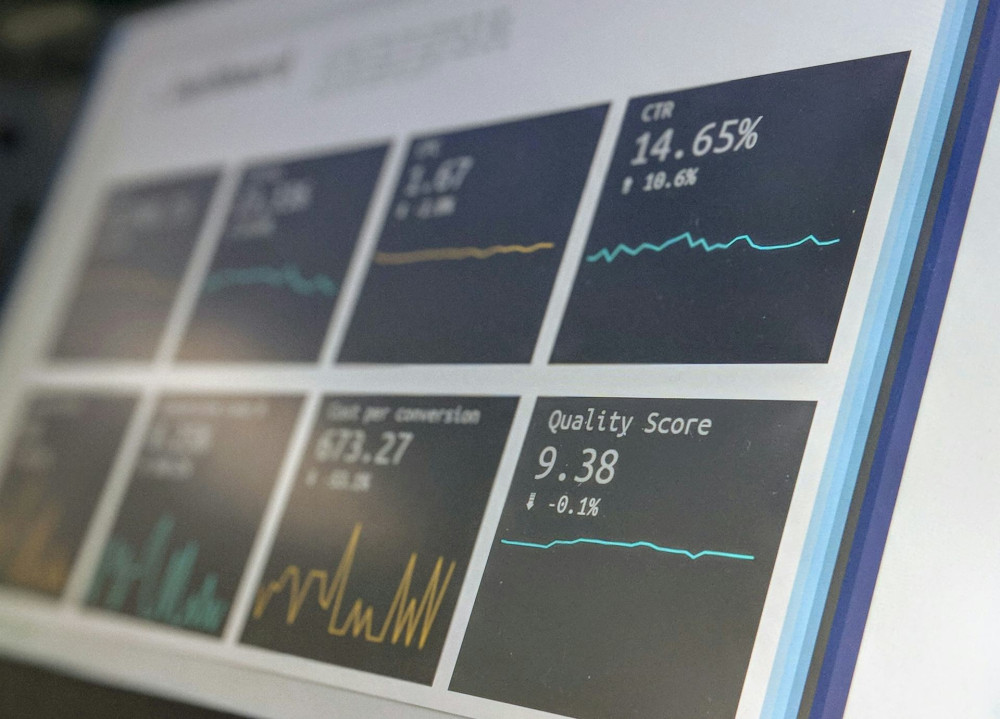
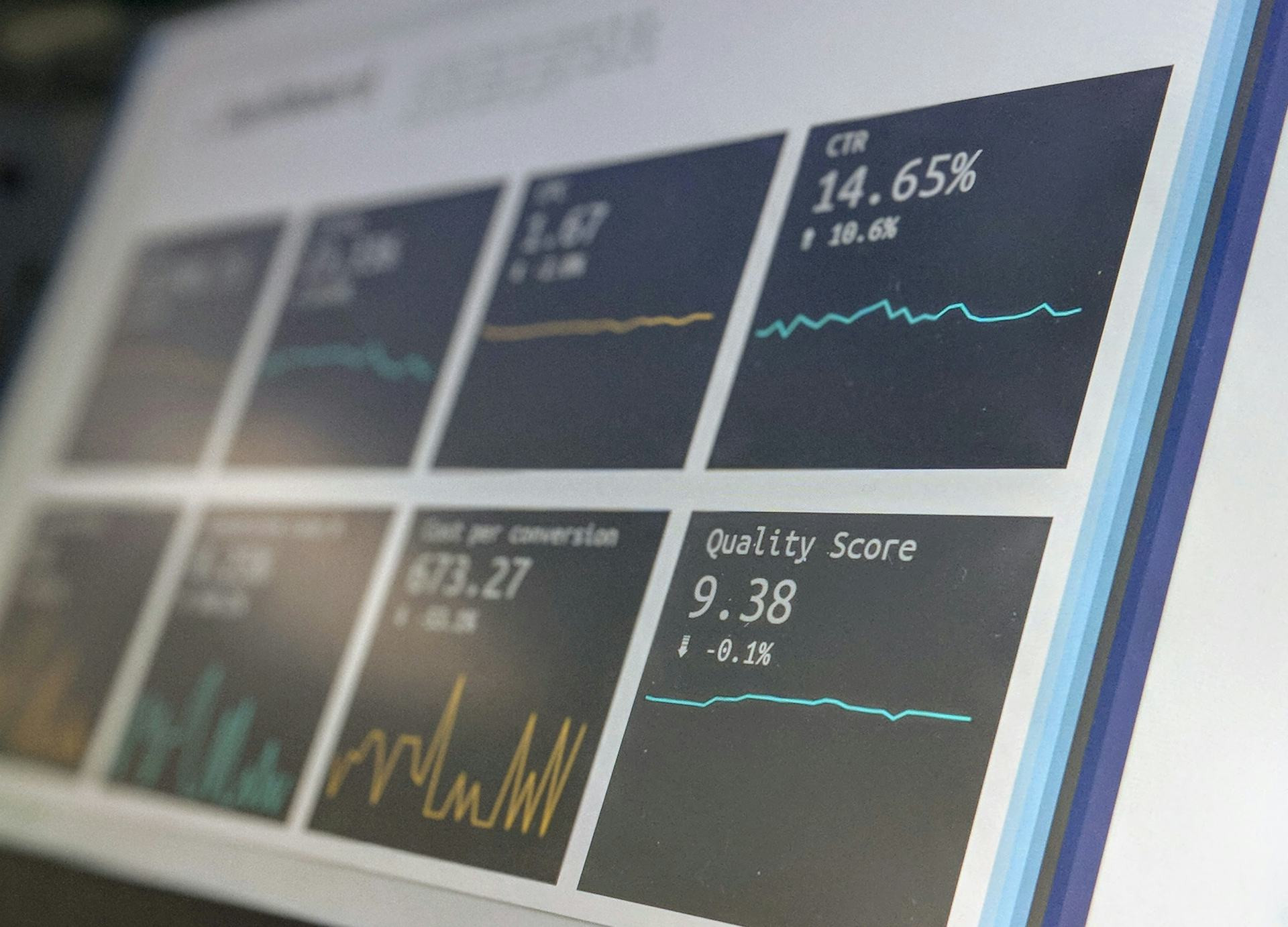
Humans think visually. A well-designed visualization can often communicate more than a lengthy report. A simple chart showing customer satisfaction trends or conversion rates can spark understanding and engagement across the organization.

But visualization should be used thoughtfully. Too many charts or colors can confuse rather than clarify. The key is to ensure that visuals support the story—not obscure it.

From Data to Value—A Matter of Focus

Ultimately, creating value from data is about focus. It takes courage to prioritize, to ask the right questions, and to act on the insights you uncover. Data should never be an end in itself—it’s a means to understand customers, optimize processes, and make better decisions.

When organizations succeed in using data as a strategic tool rather than a burden, it becomes clear that less is often more. The goal isn’t to drown in data, but to swim confidently toward the insights that truly matter.

Networking as a Growth Platform – Discover New Opportunities Through Relationships
Build meaningful connections that fuel personal and professional growth
Communication
Communication
Networking
Professional Growth
Relationships
Business Development
Career Advancement
4 min
Discover how strategic networking can become a powerful platform for growth. Learn to create genuine relationships, exchange value, and turn your network into a source of new opportunities, innovation, and long-term success.
Jackson Hernández
Jackson
Hernández
When Your Brand Needs a Refresh: How to Reposition Without Losing Its Identity
Keep your brand relevant and recognizable in a changing market
Communication
Communication
Branding
Brand Strategy
Marketing
Repositioning
Business Growth
3 min
Every brand reaches a moment when it needs to evolve. Learn how to refresh your positioning, update your story, and stay true to your core identity while adapting to new market realities.
Julia Rogers
Julia
Rogers
Drowning in Data? Focus on the Insights That Create Real Value
Turn overwhelming data into meaningful insights that drive smarter decisions
Communication
Communication
Data Analytics
Business Intelligence
Decision Making
Data Strategy
Insights
4 min
Organizations today are flooded with data, yet many struggle to turn numbers into real business value. This article explores how to shift focus from endless reporting to actionable insights, build a data-driven culture, and identify the metrics that truly matter.
Sophia Moore
Sophia
Moore
Empathy in Customer Service: How to Make People Feel Seen and Valued
Turn every customer interaction into a moment of genuine connection
Communication
Communication
Customer Service
Empathy
Communication
Customer Experience
Business Culture
6 min
Discover how empathy can transform your customer service from routine support into meaningful relationships. Learn practical ways to listen, communicate, and respond so that every customer feels truly seen, heard, and valued.
Ben Harris
Ben
Harris
From Vision to Reality: How to Describe Your Company’s Strategy with a Clear Link Between Goals and Actions
Turn strategic visions into actionable plans that drive real results
Companies
Companies
Business Strategy
Leadership
Organizational Alignment
Strategic Communication
Company Culture
6 min
Discover how to bridge the gap between your company’s long-term goals and everyday actions. Learn practical ways to communicate strategy clearly, align teams across the organization, and make strategic thinking part of your company culture.
Mikayla Johnson
Mikayla
Johnson
Use Feedback as a Lever for Your Leadership Development
Turn feedback into a powerful driver of personal and professional growth
Companies
Companies
Leadership Development
Feedback
Self-Awareness
Communication
Professional Growth
5 min
Discover how to use feedback as a strategic tool to strengthen your leadership skills, build trust within your team, and accelerate your development. Learn to invite, receive, and act on feedback in ways that enhance both your performance and your relationships.
Jackson Hernández
Jackson
Hernández
Accounting as a Compass: Uncovering Your Company’s Hidden Efficiency Potential
Turn your financial reports into a strategic guide for smarter decisions
Companies
Companies
Accounting
Business Strategy
Financial Management
Efficiency
Leadership
4 min
Discover how accounting can do more than track numbers—it can reveal where your company’s true efficiency potential lies. Learn to interpret financial data as a navigational tool that helps you optimize resources, reduce waste, and steer your business toward sustainable growth.
Julia Rogers
Julia
Rogers