Unlocking the Power of Metal Degreasers: How to Achieve Optimal Cleaning Results

Cleaning
Cleaning
31/08/2023

Unlocking the Power of Metal Degreasers: How to Achieve Optimal Cleaning Results

Cleaning
Cleaning
31/08/2023
In industries that rely on the use of metal surfaces, maintaining cleanliness and removing grease is crucial for optimal performance and longevity. This is where metal degreasers step in, offering a powerful solution to effectively and efficiently clean metal surfaces. In this article, we will delve into the world of metal degreasers, exploring their benefits and providing valuable tips to achieve exceptional cleaning results. Unlock the power of metal degreasers and embrace the transformative impact they can have on your maintenance practices. What is a metal degreaser? A metal degreaser is a specialized cleaning agent specifically designed to remove grease, oil, grime, and other contaminants from metal surfaces. It is commonly used in industrial and automotive settings where metal parts and equipment are prone to becoming dirty and require thorough cleaning. Metal degreasers are formulated with powerful solvents, surfactants, and detergents that effectively break down and dissolve grease and oil. They are typically available in liquid or aerosol form, making them easy to apply onto the targeted metal surfaces. The primary purpose of a metal degreaser is to ensure proper surface preparation before any further treatment or coating is applied. This is particularly important in industrial settings where cleanliness is crucial for efficient operations and to maintain the integrity of the metal components. Metal degreasers are used in a wide range of applications, including but not limited to:
  1. Preparing metal surfaces for painting or coating: Before applying paint or protective coatings on metal surfaces, it is essential to remove any grease or oil that may interfere with adhesion. Metal degreasers effectively clean the surface, ensuring optimal bonding of the paint or coating.
  2. Cleaning metal parts and equipment: Metal degreasers are commonly used to clean machinery, tools, engine parts, and other metal components. They effectively remove built-up grease, oil, and dirt, improving the performance and lifespan of the equipment.
  3. Industrial maintenance: Metal degreasers are widely employed in industrial maintenance to clean metal surfaces, such as floors, walls, and equipment. This helps to maintain a clean and safe working environment and ensures the smooth operation of machinery and equipment.
  4. Automotive maintenance: Metal degreasers are also used in automotive maintenance to clean engine parts, brake components, and other metal surfaces. They help to remove contaminants that can affect the performance and longevity of the vehicle.
Benefits of using metal degreasers Using metal degreasers offers numerous benefits, including:
  1. Effective cleaning: Metal degreasers are specifically formulated to tackle tough grease, oil, and grime, ensuring thorough cleaning of metal surfaces.
  2. Time and cost efficiency: Metal degreasers often work quickly and efficiently, saving time and reducing labor costs associated with manual scrubbing and cleaning.
  3. Surface preparation: Metal degreasers are essential for proper surface preparation before painting or coating, ensuring optimal adhesion and a smooth finish.
  4. Improved performance and lifespan: By effectively removing contaminants, metal degreasers help to improve the performance and extend the lifespan of metal parts and equipment.
Are there any environmental considerations to keep in mind when using metal degreasers? Environmental considerations are crucial when using metal degreasers. Metal degreasers often contain chemicals that can be harmful to the environment if not handled and disposed of properly. One important consideration is the potential for air pollution. Some metal degreasers release volatile organic compounds (VOCs) into the air, which contribute to air pollution and can have negative effects on human health. It is important to choose metal degreasers that have low VOC content or are labeled as environmentally friendly. Another consideration is the impact on water quality. Metal degreasers can contain chemicals that, if washed down drains or disposed of incorrectly, can contaminate water sources. This can harm aquatic life and make water unsafe for human consumption. It is important to use metal degreasers in a controlled manner and dispose of them according to local regulations. Additionally, the packaging of metal degreasers should be considered. Look for products that use recyclable or biodegradable packaging materials to minimize waste and reduce environmental impact. To minimize the environmental impact when using metal degreasers, it is important to follow these best practices:
  1. Use the minimum amount of degreaser necessary to get the job done.
  2. Use degreasers in well-ventilated areas to minimize exposure to VOCs.
  3. Avoid rinsing degreased surfaces directly into drains. Instead, collect and dispose of the wastewater properly.
  4. Store and dispose of metal degreasers in accordance with local regulations. Many areas have specific guidelinesfor the proper handling and disposal of hazardous materials.
  5. Consider alternative, environmentally friendly degreasing methods. There are now water-based degreasers and biodegradable solvents available that can be less harmful to the environment.
By following these environmental considerations and best practices, you can minimize the negative impact of metal degreasers on the environment while still achieving effective surface preparation and improved performance of metal parts and equipment. Are you looking for safer alternatives for your degreaser products? Consider Esti Chem as your partner for sustainable development of degreasers. Tips for using metal degreasers To achieve exceptional cleaning results with metal degreasers, consider the following tips:
  1. Follow manufacturer instructions: Always read and follow the instructions provided by the manufacturer of the metal degreaser. This includes proper dilution ratios, application methods, and safety precautions.
  2. Test on a small area first: Before applying the metal degreaser to the entire surface, it is advisable to test it on a small,inconspicuous area first. This will ensure that the degreaser does not cause any damage or discoloration to the metal surface.
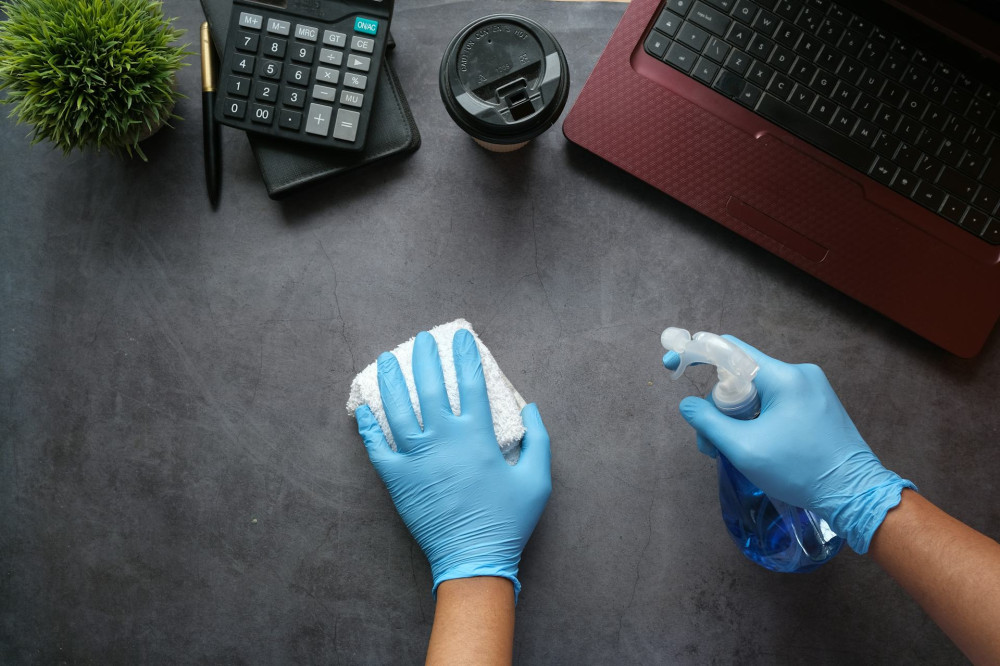
  3. Use appropriate safety equipment: Metal degreasers often contain chemicals that can be harmful if they come into contact with the skin or eyes. It is important to wear gloves, eye protection, and any other necessary safety equipment when using these products.
  4. Rinse thoroughly: After applying the metal degreaser, make sure to thoroughly rinse the surface with clean water. This will remove any residue and ensure that the degreaser does not leave behind any harmful chemicals.
  5. Use the right tools: Depending on the size and type of surface you are cleaning, it may be necessary to use specific tools such as brushes or pressure washers. Use the appropriate tools to ensure thorough and effective cleaning.
  6. Dispose of properly: Metal degreasers can contain hazardous chemicals, so it is important to dispose of them properly according to local regulations. Do not pour the degreaser down drains or into the environment.
In conclusion, metal degreasers are essential for cleaning and maintaining metal surfaces in various industries, including manufacturing, automotive, and industrial maintenance. They offer effective cleaning, time and cost efficiency, and improve the performance and lifespan of metal parts and equipment. By following the tips mentioned above, you can achieve exceptional cleaning results and ensure the safe and proper use of metal degreasers.
How to Ensure Proper Waste Management in Kitchens, Restrooms, and Healthcare Facilities
Keep every area clean, safe, and compliant with effective waste management practices
Cleaning
Cleaning
Waste Management
Hygiene
Facility Maintenance
Sustainability
Health and Safety
6 min
Learn how to maintain hygiene and prevent contamination through proper waste handling in kitchens, restrooms, and healthcare facilities. This guide offers practical advice to help organizations create cleaner, safer, and more sustainable environments.
Jackson Hernández
Jackson
Hernández
Easy-to-Clean Interior Design – The Path to a Healthy and Stable Indoor Climate
Design interiors that stay clean, look great, and promote a healthier indoor environment
Cleaning
Cleaning
Interior Design
Healthy Living
Home Maintenance
Indoor Climate
Cleaning Tips
2 min
Discover how easy-to-clean interior design can transform your home or workspace into a healthier, more comfortable place to live and work. Learn how smart material choices and thoughtful planning can reduce allergens, simplify maintenance, and support long-term well-being.
Julia Rogers
Julia
Rogers
How Cleaning Schedules Ensure Compliance with Standards and Certifications
Structured cleaning routines that safeguard quality, safety, and compliance
Cleaning
Cleaning
Cleaning Schedule
Compliance
Standards
Workplace Safety
Quality Management
7 min
Discover how systematic cleaning schedules help organizations meet hygiene standards, pass audits, and maintain certifications. Learn why proper planning, documentation, and staff training are essential for building trust and ensuring long-term compliance.
Sophia Moore
Sophia
Moore
Energy and Efficiency: Plan Cleaning and Maintenance with Care
Smarter cleaning and maintenance can save energy, time, and resources
Cleaning
Cleaning
Energy Efficiency
Sustainable Cleaning
Maintenance Planning
Workplace Well-being
Resource Management
2 min
Discover how thoughtful planning of cleaning and maintenance routines can boost efficiency, reduce energy consumption, and promote a healthier environment. Learn practical ways to extend the lifespan of materials and build a sustainable culture of care.
Ben Harris
Ben
Harris
From Vision to Reality: How to Describe Your Company’s Strategy with a Clear Link Between Goals and Actions
Turn strategic visions into actionable plans that drive real results
Companies
Companies
Business Strategy
Leadership
Organizational Alignment
Strategic Communication
Company Culture
6 min
Discover how to bridge the gap between your company’s long-term goals and everyday actions. Learn practical ways to communicate strategy clearly, align teams across the organization, and make strategic thinking part of your company culture.
Mikayla Johnson
Mikayla
Johnson
Use Feedback as a Lever for Your Leadership Development
Turn feedback into a powerful driver of personal and professional growth
Companies
Companies
Leadership Development
Feedback
Self-Awareness
Communication
Professional Growth
5 min
Discover how to use feedback as a strategic tool to strengthen your leadership skills, build trust within your team, and accelerate your development. Learn to invite, receive, and act on feedback in ways that enhance both your performance and your relationships.
Jackson Hernández
Jackson
Hernández
Accounting as a Compass: Uncovering Your Company’s Hidden Efficiency Potential
Turn your financial reports into a strategic guide for smarter decisions
Companies
Companies
Accounting
Business Strategy
Financial Management
Efficiency
Leadership
4 min
Discover how accounting can do more than track numbers—it can reveal where your company’s true efficiency potential lies. Learn to interpret financial data as a navigational tool that helps you optimize resources, reduce waste, and steer your business toward sustainable growth.
Julia Rogers
Julia
Rogers